How To Write Better Text-to-Image Prompts For Consistent Results
A practical framework for writing cleaner prompts that produce more stable image results across different models.

Start with subject, style, and scene
When you write a prompt, lead with the core subject first, then add style, camera language, and environment details. This keeps the model focused on what matters most.
A simple structure that works well is: subject + visual style + scene + lighting + quality cues.
Remove contradictory details
If a prompt says both “minimalist studio portrait” and “busy cinematic street scene,” the output becomes unstable. Pick one clear visual direction and support it with matching details.
Use reusable prompt blocks
Teams get faster when they save prompt prefixes for portrait, product, lifestyle, or campaign work. Build a small internal prompt library and keep iterating from there.
Strong prompts are usually clearer, not longer.
Once you find a structure that works, combine it with templates in AI Portrait so you can reuse proven styles with one click.
You may also like
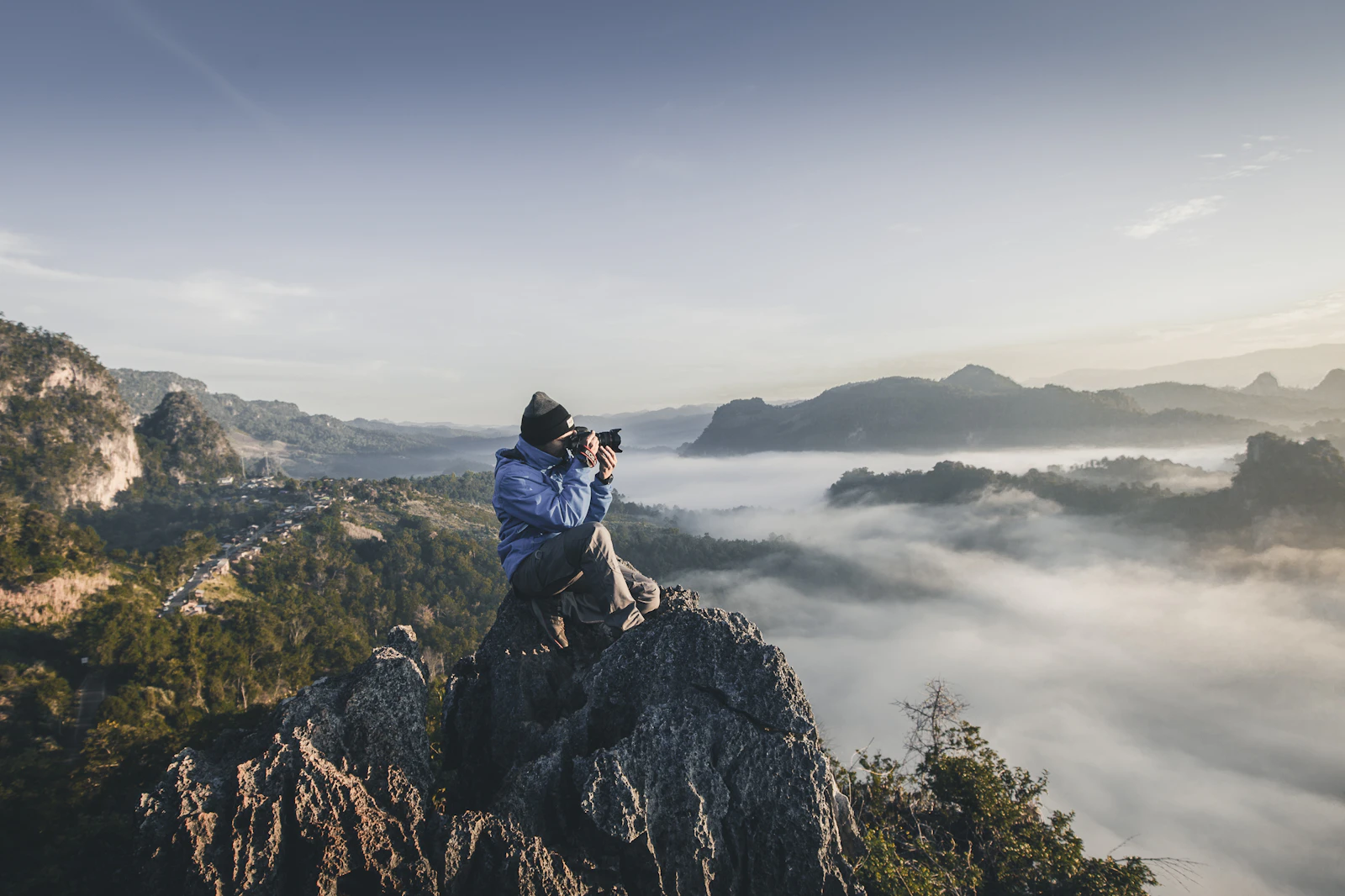
Image-to-Video Tips: Turn Static Frames Into Better Motion Clips
Learn how to prepare source images and motion prompts so image-to-video generations feel more intentional and cinematic.

Product Update: Faster Inspiration, Better Reuse, Cleaner Workflows
A quick look at the latest workflow improvements across inspiration cards, reusable templates, and generation pages.

AI Visual Trends To Watch This Season
From polished lifestyle portraiture to cinematic product loops, these are the visual directions showing up most often in creative workflows.
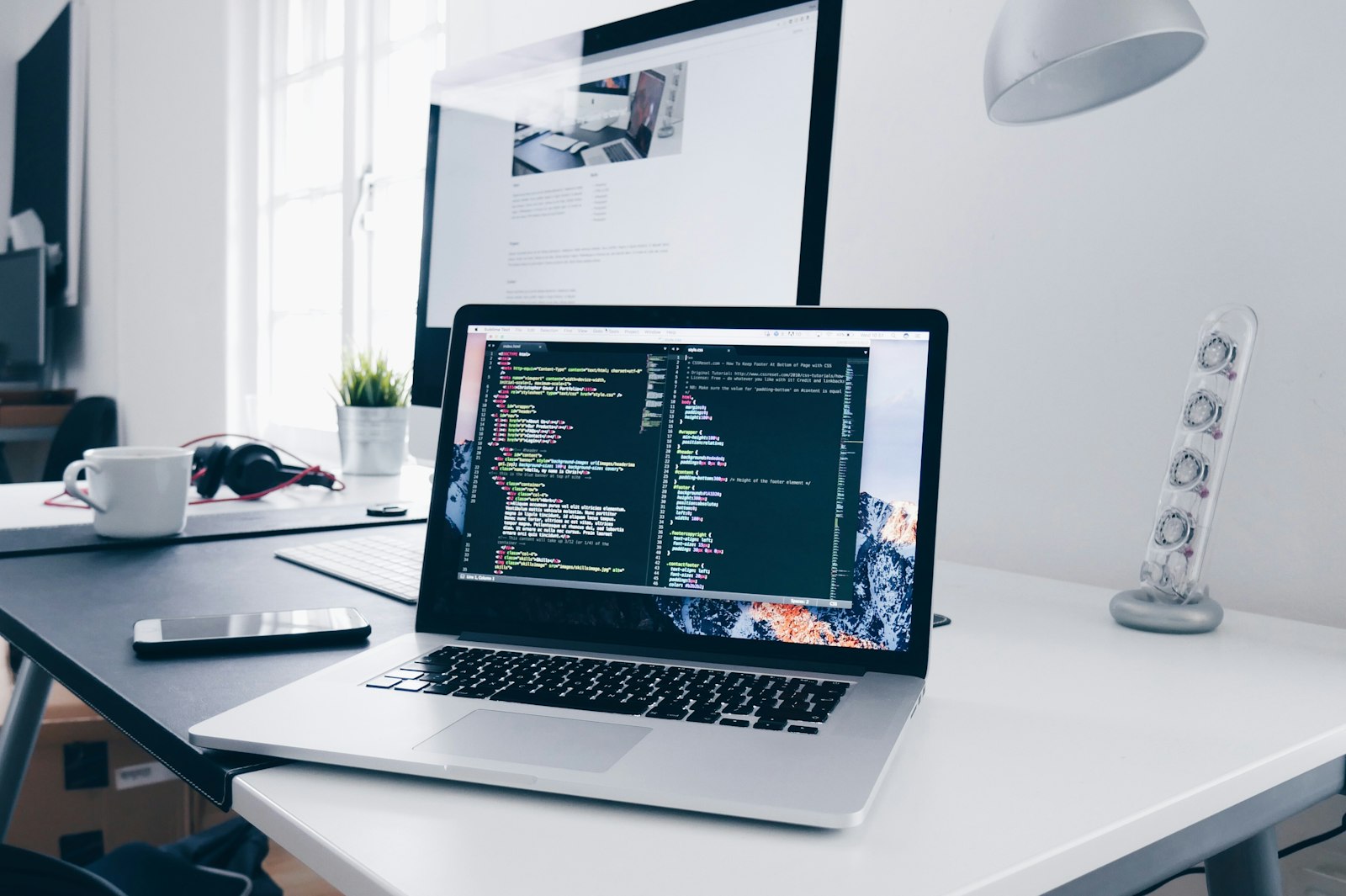
A Simple Workflow For Reusing Templates Across Image And Video
A lightweight workflow for turning one good template into multiple image and video outputs without rebuilding everything from scratch.